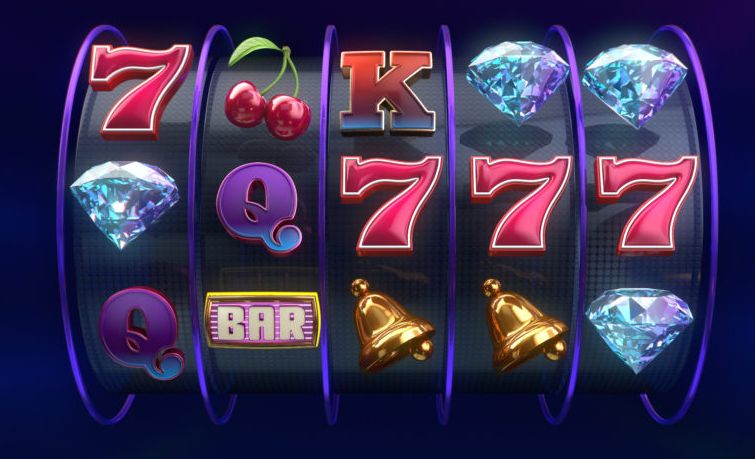
Online slots revolve around reels and symbols, and understanding how these elements work together is essential for any player exploring modern pokies at Australian-facing casinos. Reels carry the symbols, symbols create winning combinations on paylines or “ways to win”, and both are controlled by random number generators that keep each spin independent and fair.
How reels work in online slots
Reels are the vertical columns that spin when you press the button, with each reel displaying a set number of symbol positions once it stops. Classic slots often feature three reels, while modern video pokies commonly use five or more, allowing for additional paylines, bonus features, and complex win patterns.
Key points about reels:
-
Reel layouts
-
Traditional machines use 3-reel setups with a single payline, whereas most contemporary online slots use 5-reel grids, typically with 3 or 4 rows of symbols.
-
Some advanced games experiment with 6 or more reels, or changing reel heights, which can support hundreds or even thousands of potential winning combinations.
-
-
Reel strips and symbol frequency
-
Behind the scenes, each reel has a “strip” of positions that determine how frequently particular symbols can land.
-
High-paying or special symbols generally appear less often on the strip, maintaining balance between big payouts and overall game return.
-
-
Static vs dynamic reels
-
Many modern pokies use fixed reels, while others introduce expanding reels, cascading reels, or tumbling symbols that create fresh combinations after a win.
-
These dynamic systems can trigger chain reactions of wins from a single paid spin.
-
Although older physical machines had mechanical reels, today’s online slots simulate reel movement entirely through software, with results determined before the animation finishes.
The role of RNGs with reels
A random number generator (RNG) is the software engine that decides which symbols land on the reels at the end of each spin. It constantly produces vast sequences of numbers in the background, and when you press spin, the game maps the current set of numbers to specific reel positions.
Important aspects of RNG behaviour:
-
Independence of spins
-
Every spin is independent from the previous one, meaning past results do not influence future outcomes or “due” wins.
-
Patterns or “hot and cold” streaks are normal statistical clusters, not signals that the game is changing its odds.
-
-
Fairness and testing
-
Reputable casinos and software providers submit their RNGs to independent testing labs to verify randomness and long-term fairness.
-
Certification ensures the distribution of symbols on the reels matches the advertised return to player (RTP) over a large sample of spins.
-
Knowing that RNGs control the outcome helps players focus on game features, volatility, and bankroll management instead of looking for non-existent reel patterns.
Paylines, ways to win, and reel patterns
Reels by themselves do not create wins; they need paylines or “ways” systems that tell the slot how to interpret symbol combinations. Each payline or pattern is a specific path across the reels where matching symbols must land to trigger a payout.
Main structures:
-
Classic paylines
-
Early slots used a single horizontal line through the middle of a 3×3 grid, paying wins from left to right.
-
Modern slots can feature 10, 20, 25, 40, or 50 fixed or adjustable paylines, often including diagonals, zigzags, and more complex shapes.
-
-
Ways to win
-
“243 ways” and “1024 ways” slots pay whenever matching symbols appear on consecutive reels starting from the left, regardless of exact row position.
-
This structure removes the need to choose paylines and usually produces more frequent, smaller wins.
-
-
Pay both ways and all-ways
-
Some games pay from both left to right and right to left, effectively doubling the number of winning patterns.
-
Others use cluster pays, rewarding groups of matching symbols that touch horizontally or vertically rather than line-based patterns.
-
Understanding whether a slot relies on fixed lines, ways, or clusters is essential for reading the paytable, adjusting bet size, and estimating volatility.
Standard symbols: low and high-paying icons
Symbols are the images that land on the reels, and standard symbols make up most of the grid on any given spin. Games usually divide them into low-paying and high-paying icons, creating a reward ladder that balances frequent small hits with rarer larger wins.
Typical categories:
-
Low-paying symbols
-
Often represented by card ranks such as 9, 10, J, Q, K, and A, or simple shapes and suits.
-
These appear frequently and deliver smaller payouts to keep the base game active.
-
-
High-paying symbols
-
Thematically important images like characters, artefacts, or branded elements (for example, adventurers, treasure chests, or mystical animals).
-
High payers land less often but provide significantly larger wins for full-line or stacked combinations.
-
-
Themed and classic icons
-
Fruit slots rely on cherries, lemons, watermelons, plums, and bells, while retro titles incorporate BARs, lucky sevens, and horseshoes.
-
Modern video slots use high-definition artwork themed around mythology, movies, fantasy, or culture-specific motifs.
-
Standard symbols usually need at least three matching icons on a payline starting from the leftmost reel, though some games pay for two-of-a-kind on premium images.
Wild symbols and their variations
Wild symbols are special icons that substitute for other standard symbols to complete or enhance winning combinations. They are among the most powerful tools in any slot, often transforming near-misses into payouts or amplifying line hits significantly.
Common wild types:
-
Regular wilds
-
Substitutes for most standard symbols but usually not for scatters or bonus icons.
-
Often carry their own payout values when forming winning lines of wilds alone.
-
-
Expanding and stacked wilds
-
Expanding wilds grow to fill entire reels, while stacked wilds appear in vertical groups that can cover multiple positions.
-
Both variants greatly increase the chance of multi-line wins when they land in central reels.
-
-
Sticky and walking wilds
-
Sticky wilds stay in place for several spins, frequently during free spins rounds or re-spin features.
-
Walking wilds move one reel per spin, often combining with re-spins to create suspenseful sequences of potential wins.
-
-
Multiplier wilds
-
Apply a multiplier (such as 2x, 3x, or higher) to any line win that includes the wild symbol.
-
Multiple multiplier wilds on the same line can combine for very large potential payouts.
-
Because wild mechanics vary widely, checking each game’s paytable is essential to understand how they interact with the rest of the reel set.
Scatter symbols and free spins triggers
Scatter symbols are another key special symbol type, typically used to trigger free spins, bonus games, or instant win payouts. They often pay regardless of where they land on the reels, freeing them from strict payline rules.
Notable scatter behaviours:
-
Free spins activation
-
Many slots require three or more scatters anywhere in view to launch a free spins feature, often with increasing rewards for four or five scatters.
-
During free spins, additional scatters can re-trigger the feature, extend spin counts, or unlock extra multipliers.
-
-
Bonus game entry
-
Some scatters open second-screen bonus rounds, pick-and-click features, or wheel-of-fortune style games.
-
These modes typically offer higher win potential or special mechanics not present in the base game.
-
-
Scatter payouts
-
Unlike standard symbols, scatters can pay anywhere on the reels, not only on selected paylines.
-
Payouts are usually expressed as multipliers of total bet rather than line bet.
-
Because scatters control core bonus content, they are often among the most visually distinctive symbols in the game.
Bonus, multiplier, and special feature symbols
Beyond wilds and scatters, many online slots integrate dedicated bonus and multiplier symbols to enrich the reel set. These icons add depth to gameplay, giving players additional milestones to look out for while the reels spin.
Examples of advanced symbols:
-
Bonus symbols
-
Trigger specific features such as pick bonuses, hold-and-respin rounds, or mini-jackpot wheels when landing in designated configurations.
-
Sometimes they must appear on particular reels (for example, reels 1, 3, and 5) to activate the feature.
-
-
Multiplier symbols
-
Apply a win multiplier to connected paylines or even to all wins in a free spins round, depending on the game rules.
-
Can appear on standard symbols, wilds, or in the background as part of special mechanics.
-
-
Collect and mystery symbols
-
Collect symbols accumulate coins, jackpots, or feature points that unlock extra rewards once enough are gathered.
-
Mystery symbols transform into matching standard or premium icons after the reels have stopped, potentially creating large clusters of identical symbols.
-
These symbols encourage players to think beyond basic line hits and watch for how multiple features combine over time.
Reel layouts and volatility
The number of reels, rows, and symbol types plays a major role in a slot’s volatility profile – how frequently it pays and how large those wins tend to be. Understanding volatility helps players match games to their preferred session length and risk profile.
Volatility considerations:
-
Low volatility layouts
-
Often use simpler reel sets and payline structures with frequent low- to medium-value wins.
-
Suitable for longer sessions and smaller bankrolls, as balance depletes more gradually.
-
-
Medium volatility layouts
-
Combine steady base game returns with meaningful bonus-round potential.
-
Many popular video slots sit in this middle ground, appealing to a wide range of players.
-
-
High volatility layouts
-
Fewer frequent wins, but the potential for substantial payouts in free spins or feature rounds.
-
These games often feature stacked high-paying symbols, powerful wilds, and ambitious multipliers.
-
Choosing between low, medium, and high volatility slots is a matter of personal preference and bankroll strategy rather than pure payout potential.
Reading paytables and symbol charts
Paytables are the built-in guides that explain how every symbol, reel configuration, and feature works in a given slot. They show the payout for different combinations, outline special symbol behaviours, and clarify how paylines or ways systems operate.
What paytables typically include:
-
Symbol values and combinations
-
Detailed charts listing the payouts for 3, 4, 5, or more matching low and high-paying symbols.
-
Explanations of whether wins are multiplied by the line bet or total bet.
-
-
Special symbols and features
-
Clear descriptions of how wilds, scatters, and bonus icons behave on the reels.
-
Requirements for triggering free spins, bonus games, and jackpot features.
-
-
Line and ways diagrams
-
Visual diagrams showing payline paths across the reels, including diagonal and zigzag lines.
-
Information on whether the game uses fixed lines, selectable lines, or all-ways systems like 243 ways.
-
Reviewing the paytable before playing helps players understand the full potential of the reels and symbols, reducing surprises during real-money sessions.
How modern online slots evolved from classic machines
The reels and symbols used today trace their origins back to early mechanical slot machines, which used simple fruit and bar icons over three reels. As technology advanced, developers added more reels, bonus features, and animated symbols, transforming simple machines into feature-rich video pokies.
Evolution highlights:
-
From fruit machines to video slots
-
Classic fruit machines featured basic imagery and minimal features, focusing on straightforward payline wins.
-
Video slots introduced multiple paylines, wilds, scatters, and animated bonus rounds driven by more powerful hardware and software.
-
-
Online and mobile integration
-
The shift to online casinos allowed studios to create theme-rich, branded slots with complex reel mechanics not possible in mechanical cabinets.
-
Mobile optimisation ensured that reels and symbols remain clear and responsive on smaller screens without sacrificing graphical quality.
-
-
Innovative reel mechanics
-
Developers have experimented with Megaways, cluster pays, and grid-based slots to offer new ways for symbols to connect and pay.
-
These innovations keep the fundamental reel-and-symbol framework fresh while maintaining familiar elements like wilds and scatters.
-
This blend of tradition and innovation means players can choose anything from nostalgic three-reel classics to advanced video slots with cascading reels and multi-layered bonus games.
Practical tips for playing slots with reels and symbols
Understanding how reels and symbols function is only one part of successful slot play; practical decisions around bet size, game choice, and expectations are equally important. Applying a few core principles can help players enjoy the experience while managing risk responsibly.
Helpful guidelines:
-
Match game type to your goals
-
Choose lower volatility 3- or 5-reel slots if you prefer steady entertainment and extended playtime.
-
Select higher volatility slots with advanced features and special symbols if you are comfortable with swingy sessions and longer dry spells.
-
-
Adjust bet levels carefully
-
Set a budget, then choose a stake that allows for a reasonable number of spins to experience features and symbol combinations.
-
Be cautious with max bet options, especially on games with progressive or feature-based jackpots.
-
-
Learn each game’s special symbols
-
Take time to read how wilds, scatters, multipliers, and bonus icons behave before you start spinning.
-
Look at how many scatters are required to launch free spins and whether bonus symbols must land on specific reels.
-
By combining this practical approach with a solid grasp of reels, paylines, and symbol types, players can make informed choices across the full spectrum of modern online slots.